Gaming is an incredible way to unwind and connect with friends, but finding the right balance between your gaming passion and daily responsibilities is key. Staying glued to the screen for hours can take its toll on your well-being, affecting not only your mental health but also your relationships and productivity. In this guide, we’ll explore practical strategies to help you balance your love for gaming with your everyday life, ensuring that you enjoy your gaming experience without compromising your overall well-being.
1. Prioritize Mental and Physical Health
Recognizing Signs of Overindulgence
Gaming can be immersive, but it’s essential to be aware of how excessive screen time impacts your mental health. Signs such as increased stress, anxiety, irritability, and feelings of isolation are red flags that you may need to take a break. It’s important to regularly check in with yourself, asking, “How do I feel after a gaming session?” and “Is gaming still enjoyable, or does it feel like a chore?” Finding that sweet spot where gaming doesn’t interfere with your mental health is vital.
Incorporate Physical Activity
Balancing your gaming passion with physical activity can work wonders for your overall health. While hitting the gym might not be your first choice, even a quick walk or a home workout can break up those marathon gaming sessions. Physical activity doesn’t just build muscles; it boosts your mood, increases energy, and helps improve focus during those intense boss battles. Regular exercise has been shown to reduce stress and anxiety, enhancing your gaming performance in the long run.
2. Get Enough Sleep and Take Breaks
The Importance of Sleep
Sacrificing sleep for late-night gaming sessions can leave you feeling drained and less focused. Sleep is essential for recharging your body and mind, enhancing cognitive function, and improving memory retention. A well-rested gamer is a better gamer! Create a gaming schedule that respects your need for rest and ensures you hit those pillow dreams, waking up ready to conquer both the virtual and real worlds.
Taking Regular Breaks
Long gaming sessions can lead to burnout if you’re not careful. Taking regular breaks during gameplay not only helps prevent fatigue but also enhances your overall gaming experience. Implement the Pomodoro Technique—play for 25 minutes, then take a 5-minute break. Use these breaks to stretch, hydrate, or do a quick exercise to keep your body and mind fresh. This strategy will not only help you play better but also prolong your gaming sessions by preventing exhaustion.
3. Time Management Strategies for Gamers
Creating a Balanced Schedule
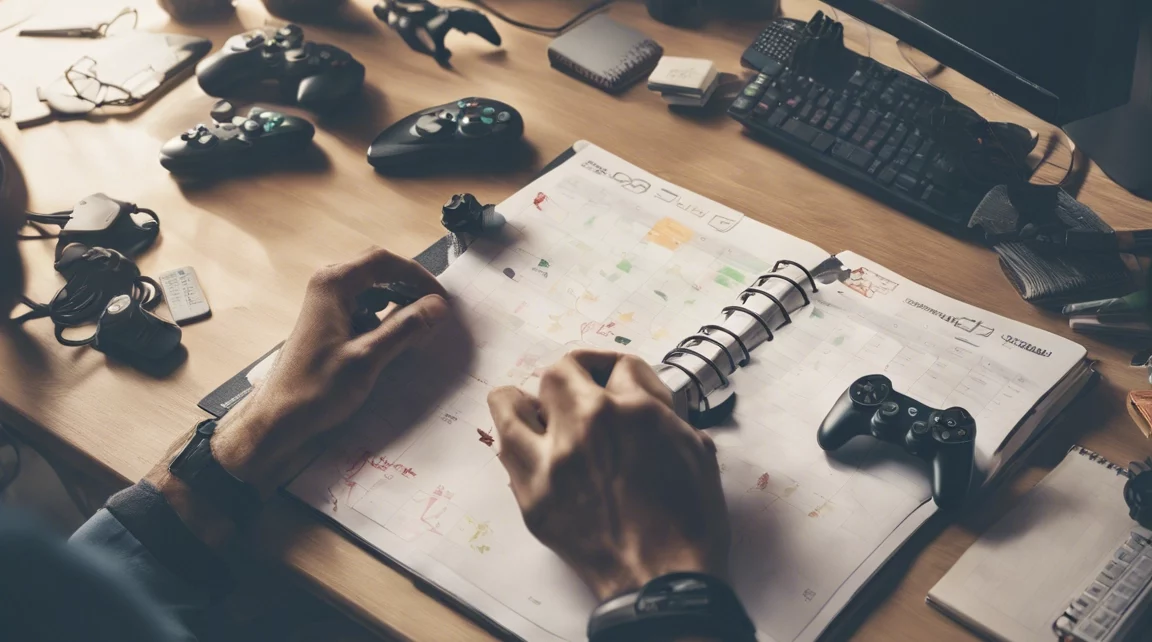
Balancing gaming with daily responsibilities requires solid time management. Think of your day as a gaming session where you need to allocate time wisely to complete quests (tasks). Whether it’s planning out daily tasks or allocating specific hours for play, having a structured schedule keeps chaos in check. You wouldn’t dive into a gaming session without a plan, right? Approach your daily life the same way to ensure you meet all your responsibilities while still having time to game.
Set Clear Boundaries
It’s easy to slip into endless hours of play, but establishing boundaries is crucial for maintaining a healthy gaming habit. Decide on a daily gaming cap—perhaps two to three hours after you complete your essential tasks—and stick to it. Prioritize chores, study sessions, or other commitments before grabbing that controller. Keeping boundaries isn’t about saying no to fun; it’s about saying yes to everything else in your life.
Utilize Technology for Time Management
In our tech-savvy world, numerous apps are designed to help you manage your time effectively. Consider using applications like RescueTime, Forest, or Toggl to track your gaming hours and productivity. These tools can send you notifications when you’ve hit your limit, reminding you to step away from the screen. Think of them as a gentle nudge from a friend, ensuring you maintain that important balance between gaming and real-life obligations.
4. Build Supportive Relationships Online and Offline
Nurturing Offline Relationships
Healthy relationships are like the secret power-ups in life. Sometimes, we get so caught up in our virtual adventures that we forget to check in with the folks right in front of us. A strong support circle of family and friends can make all the difference. Share your gaming experiences with them so they can understand your passion, and make time to enjoy their company too. Plan regular outings or family game nights where you can combine socializing with gaming.
Finding Your Tribe Online
Just as important as offline connections are your online communities. There are countless online gaming groups filled with people who share your enthusiasm. Platforms like Discord, Reddit, and even social media sites are great places to chat, strategize, and hang out. Engaging with these communities can provide a sense of belonging and reinforce the idea that you’re not gaming alone. Make sure to participate in discussions, attend virtual events, and forge connections with fellow gamers.
Fostering Good Communication
Good communication is key to ensuring gaming doesn’t become an isolated activity. Talk openly with those around you about when you’re gaming and when you’ll be available for chats or hangouts. This helps everyone feel included and keeps your relationships balanced. Encourage your friends to join you in gaming sessions or to participate in gaming-related discussions, strengthening your bonds over shared interests.
5. Leverage Gaming Skills in Real Life
Transferring Gaming Skills
Gaming isn’t just a pastime; it’s a skill-building bonanza if you play your cards right. Many skills acquired during gameplay can be beneficial in real life, such as decision-making, hand-eye coordination, and strategic planning. Identifying these skills can give you confidence in various aspects of your life, from school projects to work tasks.
Strategic Thinking and Problem-Solving
Ever found yourself in a tense game situation, calculating your next move like a chess master? Those strategic thinking and problem-solving skills don’t just vanish when you put down the controller. Use them in everyday challenges, like organizing a big event or tackling tricky situations at work or school. Recognizing these skills can help you approach real-life problems with confidence.
Teamwork and Leadership Skills
Collaborating in multiplayer games teaches you valuable teamwork abilities. When you’re strategizing for a mission or rallying with your pals to win a tough match, you’re honing skills that apply to team projects and group tasks outside the game. This virtual teamwork can translate into leadership in meetings and community activities, giving you a significant edge in collaborative settings.
Personal Development through Gaming
Look at every gaming session as a mini training ground for personal development. The key is to consciously recognize these skills and put them into practice beyond the digital realm. This way, you’re not just gaming for fun but also leveling up in life, preparing yourself for real-world challenges.
Conclusion: Master the Art of Balancing Gaming and Life
Achieving a balance between gaming and daily life isn’t just about limiting playtime; it’s about making sure that gaming enhances rather than disrupts your overall well-being. By prioritizing mental and physical health, managing your time wisely, and building strong relationships, you can enjoy gaming without sacrificing your real-world responsibilities.
With these essential tips, you’ll be able to game smarter, maintain balance, and ultimately level up in both the virtual and real worlds. Remember, moderation is key, and with a little effort, you can create a harmonious relationship with gaming that enriches your life.