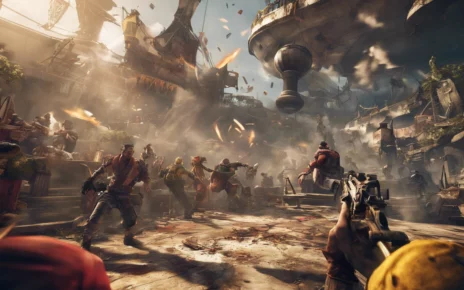
Early Access games have taken the gaming industry by storm, offering gamers a unique opportunity to play and influence games while they’re still in development. Imagine being part of a game’s creation, helping shape its final form. But with this early peek comes a mix of advantages and disadvantages. So, is it worth jumping into a game that isn’t quite finished yet? Let’s dive deep into the benefits and risks of Early Access games, what it means for players and developers, and whether it’s a gamble worth your time and money.
What Are Early Access Games?
Early Access games are titles made available to players during their development phase. Unlike traditional game releases, where the final polished version is launched, Early Access lets you play games still being refined. Developers offer these games on platforms like Steam and itch.io, inviting players to join the journey early, provide feedback, and even shape how the game evolves.
In many ways, Early Access is like participating in a beta test—but with a difference. Here, you pay for the game upfront and become part of the development process, often with the promise of future updates and improvements. This method has gained momentum with the rise of digital downloads, as developers no longer have to wait for the game’s completion to share it with the world.
Some beloved titles started as Early Access success stories. Games like “Don’t Starve” and “Hades” emerged from Early Access to become fully polished gems, thanks to community feedback and ongoing development. These games evolved over time, proving that Early Access can deliver some of the best gaming experiences—if done right.
The Advantages of Early Access Games
Early Access offers several benefits for both gamers and developers. Whether you’re a casual player or a die-hard enthusiast, jumping into Early Access can provide a unique gaming experience.
1. Be Part of the Game’s Evolution
One of the most exciting parts of Early Access games is the opportunity to shape the final product. As a player, your feedback can directly influence the direction of the game. Whether it’s suggesting new features or tweaking mechanics, your voice matters. It’s like having a backstage pass to game development, making you feel like part of the team.
2. Early Access to New Content
If you enjoy discovering games before they hit the mainstream, Early Access is perfect. You’ll have the chance to play new, innovative games before they’re fully released. Think of it as being on the front lines of gaming, where you get to experience the latest ideas and trends before everyone else.
3. Support Indie Developers
For many indie game developers, Early Access is a lifeline. It provides a crucial stream of early revenue that helps fund the project’s continued development. By purchasing an Early Access title, you’re not only playing a new game—you’re supporting indie studios and encouraging creative innovation in the gaming industry.
4. Innovative Game Designs
Developers in Early Access aren’t bound by traditional game release cycles, which means they can experiment with bold and innovative ideas. Early feedback from players allows them to test and refine these concepts. This gives rise to fresh gameplay mechanics that you might not find in more conventional titles.
5. Building a Community
Early Access titles often come with a dedicated community of players who are passionate about the game’s success. These communities are typically more engaged, offering tips, feedback, and support for both new and experienced players. This sense of camaraderie can make your gaming experience even more enjoyable as you connect with others who share your enthusiasm.
The Disadvantages of Early Access Games
Of course, Early Access isn’t without its risks. While there are many advantages, it’s essential to consider the potential downsides before diving into these games.
1. Incomplete and Buggy Experience
The biggest drawback to Early Access is that these games are unfinished. Expect bugs, performance issues, and missing features. While it’s exciting to play a game in development, the unpolished nature can sometimes lead to frustration. For some players, this might be a deal-breaker, especially if the game doesn’t meet its potential right away.
2. Risk of Development Stalling
Not all Early Access games reach completion. In some cases, developers hit roadblocks, and projects get stuck in “development hell,” where updates slow or stop entirely. Worse, some games are outright abandoned, leaving players who invested early feeling let down. This is a risk every Early Access player faces, and it’s something to keep in mind before making a purchase.
3. Lack of Quality Control
Unlike traditional game releases, Early Access games often skip the rigorous testing that’s necessary to ensure quality. This can lead to an inconsistent experience, with players encountering major bugs, crashes, or poor gameplay balance. While developers try to fix these issues over time, they can negatively impact the enjoyment of the game during its early stages.
4. Reputational Damage for Developers
For developers, Early Access comes with its own set of challenges. Failure to deliver promised updates or ignoring player feedback can lead to negative reviews and a loss of trust. Reputation damage is hard to recover from, especially in the competitive world of game development. That’s why it’s crucial for developers to communicate openly and regularly with their player base.
Navigating Early Access: Tips for Players and Developers
Whether you’re a player or a developer, navigating the Early Access landscape requires careful consideration. Here are a few tips to make the most of the experience:
Tips for Players:
- Research the Developer’s Track Record: Look for developers with a history of delivering updates and completing projects. This can give you confidence that the game will continue to improve.
- Manage Your Expectations: Understand that you’re buying a game in its early stages. Bugs and incomplete features are part of the package, so be patient as the game evolves.
- Engage with the Community: Take part in forums, provide feedback, and share your thoughts. Developers often rely on the community to help shape the game, and your input can make a difference.
Tips for Developers:
- Prioritize Clear Communication: Regularly update your player base on progress, challenges, and upcoming features. Transparency builds trust and keeps the community engaged.
- Deliver Consistent Updates: Even small updates show that the project is moving forward. Regular progress keeps players invested and excited for what’s next.
- Keep Quality in Mind: Even in the early stages, it’s important to deliver a playable and enjoyable experience. Players are more likely to stick around if they see potential in the early builds.
Conclusion: Is Early Access Worth the Gamble?
Early Access games offer a unique and exciting way for players to engage with a game during its development. The chance to shape a game’s future and support indie developers can be incredibly rewarding. However, the incomplete experience and the risk of a project stalling or being abandoned are real considerations.
For players, it’s all about managing expectations and embracing the process of game development. For developers, success in Early Access depends on transparency, consistent updates, and a dedication to delivering on promises.
Ultimately, Early Access can be a gamble, but for those willing to take the plunge, the rewards can be well worth the risk.